
The Complete Guide to Small Wedding Costs: What You’ll Actually Spend in 2026
Planning a small wedding in 2026 is all about keeping things meaningful without overspending. Couples today want simple celebrations that feel personal, warm, and stress-free. Knowing the real costs helps you plan with confidence and avoid surprises.
This guide breaks down what you’ll actually spend on a small wedding, from venue and food to outfits and décor. It focuses on realistic prices, not luxury estimates. With the right choices, a beautiful wedding can fit your budget and still feel special.
What Is Considered a Small Wedding
The wedding industry loves to throw around terms like “intimate,” “micro,” and “small,” but what do these actually mean? Understanding the difference is your first step toward realistic budget planning.
Definition of a Micro Wedding or Small Wedding
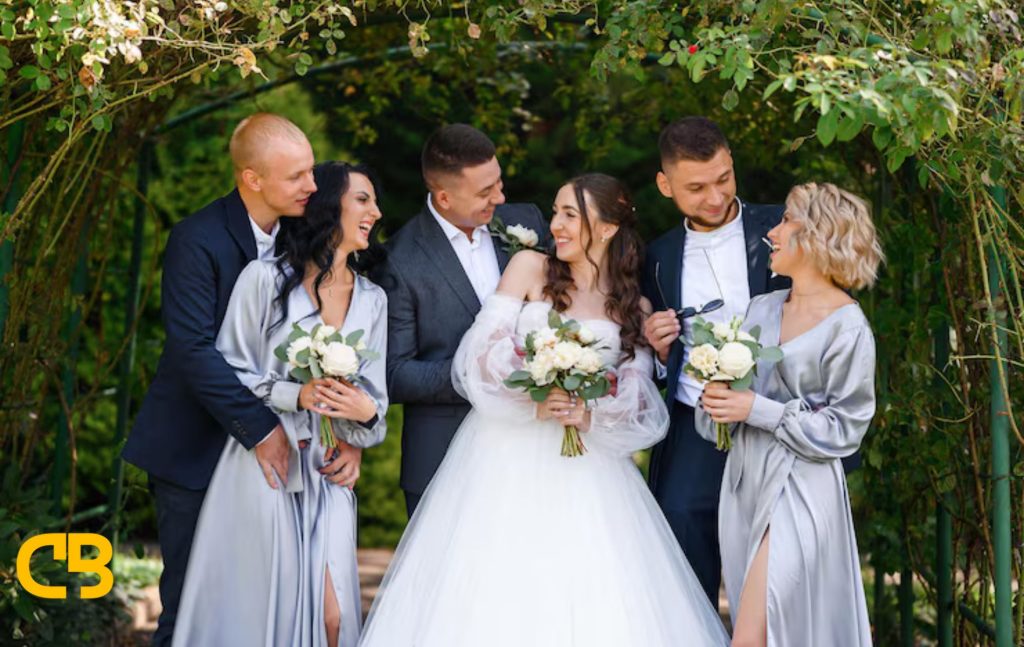
A small wedding typically includes between 20 and 50 guests. These celebrations maintain most traditional wedding elements but on a smaller scale. Micro weddings, on the other hand, are even more intimate, usually featuring fewer than 20 guests—often just immediate family and your closest friends. Think of it this way: if you can seat everyone at two or three tables for dinner, you’re firmly in micro wedding territory.
The beauty of small weddings is that they’re not just scaled-down versions of big weddings. They’re often entirely different experiences. You’ll actually get to have meaningful conversations with everyone who attends. You’ll remember the day in vivid detail rather than it passing in a blur of handshakes and posed photos with distant relatives you barely know.
Typical Structure of a Small Wedding
Small weddings follow a similar flow to their larger counterparts, just with more breathing room. You’ll still have a ceremony, whether that’s at a venue, in someone’s backyard, or at a meaningful location that matters to you both. The reception usually follows immediately after, and here’s where things get interesting.
With fewer guests, you have flexibility. Some couples opt for a single long table that creates a family-style dinner atmosphere. Others choose a restaurant buyout where you can all sit together in a private dining room. The ceremony might last 20 to 30 minutes, followed by a reception that can be anywhere from two to four hours. The key difference? You’re not spending half the reception taking photos with various guest combinations or making rounds to 15 different tables.
Average Cost of a Micro Wedding
Let’s talk numbers. The average small wedding with 20 to 50 guests typically costs between $10,000 and $20,000. Micro weddings with fewer than 20 guests often come in under $10,000, with many couples spending between $5,000 and $8,000. Of course, these are averages, and your actual costs will depend heavily on your location and choices.
Comparison to Traditional Wedding Costs
Traditional weddings in the United States now average around $33,000 to $35,000, according to recent industry data. That’s a staggering difference. By choosing a small wedding, you’re potentially cutting your costs by 50% or more. Some couples manage to trim expenses by as much as 70% compared to what they would have spent on a traditional celebration.
But here’s what makes this comparison even more interesting: you’re not just spending less money. You’re often getting more value for what you do spend. That premium photographer you couldn’t afford for a full day at a big wedding? Now you can book them for a half-day package. That dream restaurant you love? You can actually afford to host your wedding dinner there.
Factors that Affect the Cost of a Small Wedding
Your location plays a massive role in your final bill. A micro wedding in Manhattan or San Francisco will cost significantly more than one in a smaller city or rural area. The season matters too—getting married in October or June will generally cost more than a February or January wedding.
Your venue choice is perhaps the biggest cost variable. Renting someone’s elegant home through a platform like Peerspace might cost a few hundred dollars, while booking a boutique hotel or winery could run several thousand. The level of formality you want also impacts costs. A casual backyard celebration with food trucks and wildflowers costs dramatically less than a black-tie dinner at an upscale restaurant with a premium florist.
Then there’s the question of what you’re willing to DIY versus what you’ll hire professionals to handle. Some couples love the idea of creating their own centerpieces and hand-lettering escort cards. Others would rather pay someone else to handle those details so they can actually enjoy their engagement period.
Small Wedding Costs You Can Expect to Save On
This is where small weddings really shine financially. Let me break down the major savings categories.
Wedding Ceremony and Reception Venue
Large weddings often require renting big spaces that come with hefty price tags, sometimes $3,000 to $10,000 or more. With a small wedding, you have options that simply don’t work for 150 people. Someone’s beautiful home, a small restaurant’s private room, a cozy inn, or even a scenic outdoor spot that requires minimal setup—all of these become viable. Many couples spend $500 to $2,000 on their small wedding venue, compared to much higher costs for traditional reception halls.
Some micro wedding couples skip the traditional venue entirely. They get married in a national park, on a beach, in a botanical garden, or at a family member’s property. With fewer guests to accommodate, you don’t need extensive facilities like large parking lots, multiple bathrooms, or sprawling indoor spaces.
Food & Drink
This is typically the biggest line item at any wedding, and it’s where you’ll see the most dramatic savings. Traditional weddings spend anywhere from $70 to $150 per person on catering, which adds up quickly when you’re feeding 100+ people. For a 150-person wedding, you’re looking at $10,500 to $22,500 just for food and drinks.
With a small wedding, you might spend $2,000 to $5,000 total on food and beverages. You can also explore options that aren’t feasible for large groups. Instead of hiring a traditional wedding caterer, you might book out your favorite restaurant for a private dinner. You could hire a personal chef to prepare a family-style meal. Some couples opt for upscale food trucks or even high-end takeout from multiple restaurants. The alcohol bill shrinks proportionally too—you’re buying for 30 people instead of 150.
Photography and Videography
Professional wedding photographers typically charge based on how many hours they need to cover your event. A full wedding day package might cost $3,000 to $6,000 for eight to ten hours of coverage. Small weddings often need only four to six hours, which can bring costs down to $1,500 to $3,000.
Some couples opt for a talented local photographer rather than a high-end wedding specialist, bringing costs down further to $800 to $1,500. You might even choose to have only a photographer and skip videography entirely, or hire a videographer for just the ceremony. The beauty of fewer guests is that you don’t need as much time for formal family photos—you can knock those out in 15 minutes rather than an hour.
Flowers and Decor
Traditional weddings often spend $2,000 to $5,000 on flowers alone. You need bouquets, boutonnieres, corsages, ceremony arrangements, cocktail hour centerpieces, reception centerpieces for 15 to 20 tables, restroom flowers, cake flowers, and more. With a small wedding, you might need just two or three centerpieces, a bridal bouquet, and a few smaller arrangements. Total cost? Often $300 to $800.
Decor scales down similarly. You’re not decorating a massive ballroom that needs dramatic lighting, extensive drapery, and dozens of candles to feel intimate. A small space often looks beautiful with minimal additions. Many couples spend just a few hundred dollars on candles, some string lights, and maybe a custom sign or two.
Invitations
This might seem like a small category, but it adds up. Traditional wedding invitations with save-the-dates, formal invitations, RSVP cards, details cards, and proper postage can cost $3 to $8 per guest or more. For 150 guests, that’s $450 to $1,200. When you’re only inviting 30 people, you might spend $100 to $250 total, or even less if you choose simple designs or opt for digital save-the-dates.
Some small wedding couples get creative here. They send beautiful handwritten notes, create custom postcards, or design simple one-page invitations that don’t require multiple inserts and envelopes.
Other Things You’ll Save On
The savings cascade into unexpected areas. You won’t need to rent shuttle buses to transport guests between hotels and your venue. You probably don’t need a massive wedding cake that serves 150—a small elegant dessert for 30 costs $150 to $300 instead of $600 to $1,000. Your guest favors might cost $50 to $100 total instead of $400 to $600. You might not need to rent chairs, tables, and linens because your venue includes them or you’re using what’s already at the location.
Entertainment costs drop too. Instead of hiring a DJ or band for five hours, you might create Spotify playlists and rent quality speakers, or hire a musician for just the ceremony and cocktail hour. Wedding coordination becomes simpler—you might not need a full-service planner when you’re managing a straightforward timeline and fewer vendors.
Average Small Wedding Cost by Category
Let me give you realistic numbers for each category based on current market rates for small weddings with 30 to 50 guests. Your venue might cost $800 to $2,500, depending on location and inclusions. Catering typically runs $2,000 to $5,000 for food and beverages combined. Photography usually falls in the $1,500 to $3,000 range for four to six hours.
Your attire—wedding dress or suit, alterations, and accessories—might be $800 to $2,500. Flowers and decor together often total $500 to $1,200. Invitations and paper goods usually cost $150 to $400. Music or entertainment might be $200 to $800, especially if you’re going the DIY route. The officiant fee typically runs $200 to $500. Wedding rings are highly personal but often $1,000 to $3,000 for the pair. Transportation and accommodation for yourselves might add another $300 to $800. Finally, miscellaneous costs like marriage license, tips for vendors, and small unexpected expenses usually total $300 to $600.
Wedding Categories That Will Be the Same Regardless of Size
Some costs don’t scale down just because you’re having fewer guests. Your wedding attire costs roughly the same whether three people or 300 people see you in it. That gorgeous dress still costs $1,500 whether you’re walking down an aisle toward 20 guests or 200. The marriage license fee is identical. Your wedding rings cost the same.
Hair and makeup services charge per person (you), not per guest, so those prices remain constant. The officiant typically charges a flat fee whether they’re marrying you in front of a dozen people or a hundred. If you’re hiring a planner, some charge by the hour rather than by guest count, so that might not decrease much. Any honeymoon costs are completely independent of your wedding size—that’s about you two, not your guest list.
Ways to Save Money on a Micro Wedding
Even with a small wedding, there are smart strategies to stretch your budget further. Consider off-peak timing—weekday weddings or Sunday afternoon celebrations often come with discounts from vendors and venues. Morning or brunch weddings can be significantly cheaper than evening affairs because food and beverage costs tend to be lower.
Choose an all-inclusive venue if you can find one that works for small groups. Some bed and breakfasts, small inns, or vacation rentals offer packages that include the space, tables, chairs, and sometimes even coordination services. This eliminates multiple vendor fees and simplifies planning.
Be strategic about what deserves professional help versus what you can handle yourself. Maybe you hire a professional photographer because those memories matter, but you design your own simple invitations using Canva and print them at home. Perhaps you pay for professional catering but arrange your own flowers using bulk blooms from a local flower market or grocery store.
Consider non-traditional vendors. Instead of a wedding caterer, could your favorite local restaurant handle dinner? Instead of a wedding florist, could a talented friend arrange grocery store flowers beautifully? Instead of a wedding cake, could you have an elegant dessert from a local bakery? These alternatives often cost 30% to 50% less than traditional wedding vendors.
Borrow or rent when possible. Borrow a friend’s sound system instead of renting. Use digital invitations to eliminate printing and postage costs entirely. Rent your wedding attire instead of buying if you won’t wear it again. Every small decision to borrow or rent instead of purchasing new adds up.
Small Wedding Cost Breakdown
Let me walk you through what a realistic $15,000 small wedding for 40 guests might actually look like in practice. This gives you a concrete example of how the money gets allocated.
You might spend $2,000 on a beautiful venue—perhaps a winery’s private room or a charming historic home. Catering for 40 guests at $75 per person comes to $3,000, which covers a plated dinner and wine service. Photography for five hours costs $2,000. Your wedding attire, including dress or suit, alterations, shoes, and accessories, totals $1,800. Flowers and minimal decor run $800—enough for a bridal bouquet, three centerpieces, and some greenery. Invitations for 40 guests, including postage, cost $200.
A talented string duo playing during your ceremony and cocktail hour might cost $600. Your officiant charges $300. Wedding rings together cost $2,000—this is totally personal and some couples spend much less or more. You budget $500 for your wedding night accommodation at a nice hotel. That leaves about $1,800 for miscellaneous expenses: your marriage license, tips for vendors (typically 15% to 20% for bartenders, servers, and other service staff), a small gift for parents or bridal party members, any rental items you need, and a cushion for unexpected costs.
This breakdown shows how even with a modest budget, you can create a beautiful, meaningful celebration. The money goes toward what matters—good food, beautiful photos, and a lovely setting—without waste on unnecessary extras or paying to impress people you barely know.
The truth about small weddings is that they’re not just cheaper versions of big weddings. They’re often richer experiences that happen to cost less. You get to focus on what truly matters: celebrating your commitment with the people who matter most, in a setting that feels authentic to who you are as a couple. And you get to start your marriage without the burden of wedding debt hanging over your heads.
FAQS:
- How much does a small wedding cost in 2026?
A small wedding in 2026 usually costs between $5,000 and $15,000, depending on location and choices.
- What is the cheapest way to have a small wedding?
The cheapest option is a courthouse or backyard wedding with limited guests.
- Is a small wedding cheaper than a big wedding?
Yes, small weddings cost much less because you save on food, venue size, and décor.
- How many guests count as a small wedding?
A small wedding typically has 20 to 50 guests.
- What is the average cost per guest for a small wedding?
The average cost per guest ranges from $100 to $300.
- Can you plan a small wedding under $10,000?
Yes, many couples plan beautiful small weddings for under $10,000.
- What costs the most in a small wedding?
The biggest expenses are usually the venue, catering, and photography.
- Does a backyard wedding reduce total cost?
Yes, backyard weddings can significantly lower venue costs.
- Are small destination weddings expensive?
They can be affordable if you limit guests and choose budget-friendly locations.
- Is a small wedding worth it financially?
- Yes, small weddings offer great savings while keeping the celebration personal and meaningful.






laskartogel login
December 23, 2025 at 3:00 pmThis content is really helpful, especially for beginners like me.
jonitogel
December 23, 2025 at 6:51 pmWhat I really liked is how easy this was to follow. Even for someone who’s not super tech-savvy, it made perfect sense.